
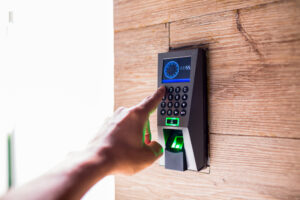
Designing a security network from scratch is a long and complex process. Seek the help of a professional!
When it comes to protecting people, assets, and operations, designing a security network requires a thoughtful and strategic approach. From initial planning to final deployment, every step plays a critical role in ensuring the system performs reliably under real-world conditions. If you are designing a security network from the ground up, following a structured process with a security expert from ARK Systems will help you avoid gaps, improve efficiency, and create a system that can scale over time.
Step 1: Conduct a Thorough Needs Analysis
The foundation of designing a security network starts with understanding what needs to be protected and why. This phase is about gathering information and identifying risks.
Key Questions to Answer
- What type of facility is being secured?
- What are the biggest threats or vulnerabilities?
- What level of access control is required?
- Are there compliance or regulatory requirements?
- How many users, entry points, and zones need protection?
Different environments require different solutions. For example, a warehouse may prioritize surveillance and perimeter security, while an office may focus more on access control and visitor management.
Risk Assessment
A proper risk assessment identifies:
- High-risk areas such as server rooms or storage zones
- نقاط of entry and exit
- Existing vulnerabilities in infrastructure or operations
This step ensures that your security network is not overbuilt or underprepared.
Step 2: Define System Requirements
Once risks and goals are clear, the next step in designing a security network is translating those findings into technical requirements.
Core Components to Consider
- Video surveillance systems
- Access control systems
- Intrusion detection systems
- Communication and paging systems
- Fire alarm and life safety integration
Each component should work together as part of a unified system. Integration is critical for real-time monitoring and faster response times.
Scalability and Future Growth
Design with expansion in mind. A security network should be able to:
- Add new cameras or access points
- Integrate emerging technologies like AI analytics
- Adapt to changes in facility layout or operations
Planning ahead prevents costly redesigns later.
Step 3: Create the System Design
This is where planning becomes tangible. The design phase involves mapping out how the system will function and where each component will be installed.
Network Architecture
A well-designed security network includes:
- Centralized or distributed control systems
- Secure data transmission protocols
- Redundant systems for reliability
You will also need to determine whether the system will be on-premises, cloud-based, or hybrid.
Device Placement
Strategic placement is essential for effectiveness:
- Cameras should cover entry points, blind spots, and high-value areas
- Access control readers should be positioned for ease of use and security
- Sensors should be placed where threats are most likely to occur
Poor placement can create vulnerabilities even with advanced technology.
Step 4: Integration and Compatibility
Modern facilities rely on integrated systems. When designing a security network, ensure all components can communicate seamlessly.
Benefits of Integration
- Centralized monitoring and control
- Faster incident response
- Improved data analysis and reporting
For example, integrating access control with video surveillance allows you to verify events visually and maintain detailed audit trails.
Many modern approaches emphasize combining multiple technologies for stronger protection, as seen in integrated safety strategies .
Step 5: Testing the System
Before full deployment, rigorous testing is essential. This step ensures that the system performs as expected under different conditions.
Types of Testing
- Functional testing to verify each component works correctly
- Network testing to ensure data flows securely and efficiently
- Scenario testing to simulate real-world incidents
Testing helps identify:
- Coverage gaps
- Connectivity issues
- Integration failures
Fixing these issues before deployment saves time and reduces risk.
Step 6: Deployment and Installation
Once testing is complete, the system can be installed and activated.
Best Practices for Deployment
- Follow a phased rollout if the facility is large
- Minimize disruption to daily operations
- Ensure proper configuration of all devices
Professional installation ensures that all components are set up correctly and aligned with the original design.
Step 7: Training and Documentation
A security network is only as effective as the people who use it.
Staff Training
Train users on:
- System operation
- Monitoring procedures
- Emergency response protocols
Documentation
Maintain clear documentation for:
- System architecture
- Device locations
- Maintenance schedules
This ensures continuity and simplifies troubleshooting.
Step 8: Ongoing Maintenance and Optimization
Designing a security network does not end at deployment. Continuous monitoring and maintenance are critical for long-term performance.
Maintenance Activities
- Regular system updates
- Equipment inspections
- Performance audits
Optimization Opportunities
- Upgrade outdated components
- Adjust camera angles or access rules
- Integrate new technologies as they become available
A proactive approach keeps your system effective against evolving threats.
Trust Professionals to Follow the Steps
Designing a security network from scratch requires careful planning, technical expertise, and a clear understanding of your facility’s needs. By hiring an experienced security professional and following a step-by-step process that includes needs analysis, system design, testing, and deployment, you can create a security solution that is both reliable and scalable.
TRUST THE PROFESSIONALS AT ARK SYSTEMS
Located in Columbia, Maryland, ARK Systems provides unsurpassed quality and excellence in the security industry, from system design all the way through to installation. We handle all aspects of security with local and remote locations. With over 30 years in the industry, ARK Systems is an experienced security contractor. Trust ARK to handle your most sensitive data storage, surveillance, and security solutions.
Contact ARK Systems at 1-800-995-0189 or click here today. Check us out on Facebook and Twitter as well!