How will you know when it’s time to upgrade your security systems?
Security technology is constantly evolving, but many organizations continue relying on systems that were installed years ago. Older equipment may still appear functional while offering limited protection, poor image quality, or inadequate integration with newer technology. Knowing when to upgrade security systems can help facility managers reduce vulnerabilities, improve emergency response, and protect people and property more effectively.
Your Security Equipment Is Outdated
Age is one of the clearest signs that a security system needs attention. Older cameras, access control panels, alarm devices, and communication equipment may no longer meet current performance expectations.
Manufacturers may also discontinue support for aging products. Replacement parts can become difficult to find, and software updates may no longer be available. Upgrading before a complete failure occurs can prevent extended periods without proper security coverage.
Video Quality Is No Longer Sufficient
Older surveillance cameras often produce grainy, blurry, or poorly lit footage. This can make it difficult to identify faces, vehicles, license plates, or suspicious activity.
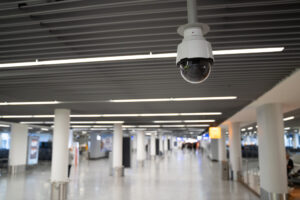
Modern video surveillance systems provide higher-resolution images, improved low-light performance, wider viewing angles, and more efficient video storage. Some systems also include analytics that help security teams detect movement, unusual behavior, or activity in restricted areas.
If recorded footage is regularly too unclear to support an investigation, it is probably time to upgrade security systems.
The System Requires Frequent Repairs
Occasional maintenance is normal, but repeated breakdowns may indicate that a system is approaching the end of its useful life. Frequent repairs can become expensive, especially when technicians must search for obsolete components.
Facility managers should compare the cost of ongoing repairs with the long-term value of modern equipment. A planned upgrade can often provide better reliability while reducing maintenance expenses and unexpected downtime.
Your Facility Has Changed
Security systems should evolve as a facility grows or changes. Renovations, new entrances, expanded parking areas, additional buildings, and changing occupancy patterns can create gaps in existing coverage.
An access control system designed for a small office may not adequately support a growing campus. Similarly, cameras positioned before a renovation may no longer cover the most important areas.
A professional security assessment can identify blind spots and determine whether existing systems can be expanded or should be replaced.
Your Systems Do Not Work Together
Modern facilities often depend on several technologies, including video surveillance, access control, intrusion detection, paging, emergency communications, and weapon detection. When these systems operate separately, responding to an incident can be slower and more complicated.
Integrated security systems allow technologies to share information. For example, an access control alert can prompt nearby cameras to display or record activity. Emergency notifications can also be distributed through paging and communication systems.
Organizations that rely on several disconnected platforms may benefit from upgrading to a more centralized security solution.
Employees Struggle to Use the System
A security system should make it easier for authorized employees to protect a facility. Complicated interfaces, slow software, and confusing procedures can lead to mistakes or delayed responses.
Modern platforms often provide centralized dashboards, remote management tools, mobile access, and simplified reporting. These features allow security personnel to review alerts, manage credentials, monitor cameras, and investigate incidents more efficiently.
The System Cannot Address Current Threats
Security risks change over time. A system that once focused primarily on preventing theft may now need to support workplace violence prevention, emergency communication, visitor management, or concealed weapon detection.
Schools, offices, healthcare facilities, warehouses, retail locations, and public buildings all face different threats. Security technology should reflect the facility’s current risk profile rather than the risks that existed when the equipment was originally installed.
Compliance Requirements Have Changed
Certain facilities must follow industry regulations, insurance requirements, or organizational security policies. Older systems may lack the audit trails, reporting functions, credential management features, or data protections needed for current compliance standards.
Upgrading security systems can help organizations maintain more detailed records and demonstrate that appropriate safeguards are in place.
TRUST THE PROFESSIONALS AT ARK SYSTEMS
Located in Columbia, Maryland, ARK Systems provides unsurpassed quality and excellence in the security industry, from system design all the way through to installation. We handle all aspects of security with local and remote locations. With over 30 years in the industry, ARK Systems is an experienced security contractor. Trust ARK to handle your most sensitive data storage, surveillance, and security solutions.
Contact ARK Systems at 1-800-995-0189 or click here today. Check us out on Facebook and Twitter as well!