Knowing the ins and outs of your fire alarm system can help keep your building compliant and protected.
Fire alarm systems play a critical role in protecting people, property, and business operations. Whether installed in an office building, warehouse, healthcare facility, school, or retail location, these systems are often required by law and must meet strict standards. Understanding how fire alarm systems relate to codes, compliance, and inspections can help facility owners avoid costly violations while improving overall safety.
Modern fire alarm systems do much more than sound an alarm during an emergency. They help coordinate evacuation procedures, notify emergency responders, and integrate with other building safety systems.
Why Fire Alarm Codes Matter
Fire codes exist to establish minimum safety standards for buildings and occupants. Fire alarm systems are governed by a combination of national, state, and local regulations. The most widely recognized standards in the United States include those developed by the National Fire Protection Association and the International Code Council.
One of the most important standards is NFPA 72, also known as the National Fire Alarm and Signaling Code. This code outlines how fire alarm systems should be designed, installed, tested, inspected, and maintained. Local jurisdictions may also adopt additional requirements depending on the type of facility and occupancy level.
Building owners cannot assume that installing a system once is enough. Fire alarm systems must continue to meet code requirements throughout the life of the building. Changes in occupancy, renovations, or system expansions may trigger updates or modifications.
Components of Fire Alarm Systems
Most fire alarm systems include several interconnected components that work together during an emergency. These may include:
- Smoke detectors
- Heat detectors
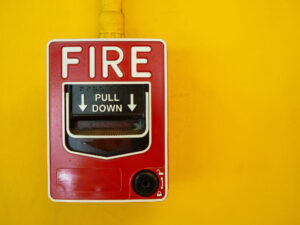
- Manual pull stations
- Audible and visual notification devices
- Fire alarm control panels
- Monitoring systems
- Emergency communication systems
Many facilities also integrate fire alarm systems with sprinkler systems, access control systems, and voice communication systems to improve emergency response coordination.
Advanced fire alarm systems can provide real-time monitoring and faster identification of problem areas inside a building. This helps emergency personnel respond more efficiently and can reduce property damage.
Understanding Compliance Requirements
Compliance involves more than simply passing an inspection. Facility owners and managers are responsible for ensuring their fire alarm systems remain operational and properly maintained at all times.
Several factors influence compliance requirements, including:
Occupancy Type
Different buildings have different code requirements. A hospital, school, warehouse, and apartment complex may all require different fire alarm configurations and inspection schedules.
System Monitoring
Many commercial fire alarm systems must be professionally monitored to ensure emergency responders are notified immediately when alarms are activated.
Documentation
Inspection reports, maintenance records, testing logs, and repair documentation are often required during audits or inspections. Keeping organized records can help demonstrate compliance and reduce liability concerns.
Routine Maintenance
Fire alarm systems require regular testing and maintenance to ensure all devices function properly. Batteries, detectors, notification appliances, and communication systems should all be checked according to required schedules.
Failure to maintain compliance can result in fines, failed inspections, increased liability exposure, and potentially dangerous conditions for occupants.
The Importance of Fire Alarm Inspections
Routine inspections are essential for verifying that fire alarm systems operate correctly. These inspections help identify damaged devices, wiring issues, communication failures, and outdated equipment before an emergency occurs.
Professional inspections often include:
- Testing smoke and heat detectors
- Verifying control panel operation
- Checking alarm communication pathways
- Inspecting batteries and backup power supplies
- Confirming notification devices function properly
- Reviewing monitoring connections
Many jurisdictions require annual inspections, though some components may require monthly, quarterly, or semiannual testing depending on the building type and applicable codes.
Regular inspections also help extend the lifespan of fire alarm systems and reduce the risk of unexpected system failures.
Common Compliance Challenges
Many businesses struggle with compliance because fire alarm systems can become more complex over time. Some common issues include:
Outdated Equipment
Older systems may no longer meet current code requirements or may lack compatibility with newer technologies.
Missed Testing Schedules
Busy facility managers may overlook required testing intervals, leading to failed inspections or compliance gaps.
Building Renovations
Renovations can affect detector placement, occupancy classifications, and evacuation procedures. Fire alarm systems often need updates after construction work.
Poor Documentation
Missing inspection records or incomplete maintenance logs can create problems during regulatory reviews.
Working with experienced fire protection professionals can help organizations stay ahead of these challenges.
TRUST THE PROFESSIONALS AT ARK SYSTEMS
Located in Columbia, Maryland, ARK Systems provides unsurpassed quality and excellence in the security industry, from system design all the way through to installation. We handle all aspects of security with local and remote locations. With over 30 years in the industry, ARK Systems is an experienced security contractor. Trust ARK to handle your most sensitive data storage, surveillance, and security solutions.
Contact ARK Systems at 1-800-995-0189 or click here today. Check us out on Facebook and Twitter as well!